





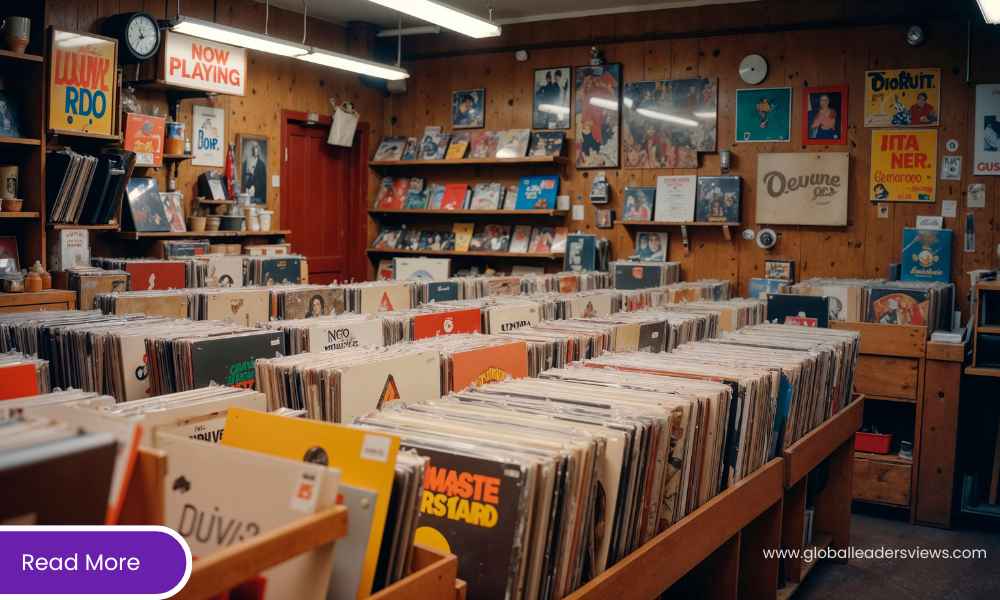
The U.S. is witnessing a surge in record store closures, with independent retailers bearing the brunt of economic challenges and shifting consumer habits. Once a vibrant hub for music enthusiasts, many record stores are now struggling to stay afloat as streaming platforms, the music industry, and inflation drive up operational costs.
Decline of the Vinyl Boom
After enjoying a resurgence fueled by the vinyl revival in the early 2010s, record stores have recently faced a sharp decline in sales. Vinyl records, once celebrated for their nostalgic appeal and premium quality, have become less of a priority for budget-conscious consumers. With streaming platforms offering convenient access to millions of songs at a fraction of the cost, physical media is losing its grip on mainstream audiences.
According to industry analysts, vinyl sales dropped by 10% in 2024 compared to the previous year, marking the first decline in over a decade. Independent record stores, which rely heavily on vinyl sales, are particularly vulnerable.
Economic Pressures and Rising Costs
In addition to the decline in vinyl sales, record store owners are grappling with rising rents, increasing labor costs, and supply chain disruptions. Many stores have reported delays in receiving new vinyl shipments, which has further impacted their ability to meet customer demand.
“I’have been running this store for 15 years, and this is the toughest it’s ever been,” says Joe Ramirez, owner of an independent record store in Austin, Texas. “Between the rising costs and fewer customers coming in, it’s hard to keep the doors open.”
Visit: Latest News
Community Losses
The closures of record stores are more than just a financial loss; they mark the decline of local cultural hubs. For decades, these stores have been gathering places for music lovers, offering a sense of community and discovery. Many music fans lament the loss of these spaces, where knowledgeable staff curated unique collections and introduced listeners to new genres and artists.
Read More: Construction Planning Falls Once More, But Data Center Growth Persists
Traditional Record Stores’ Decline
Record store closures are accelerating nationwide, causing a profound change in the U.S. music landscape. These establishments, which were once thriving centers of local culture, have found it difficult to compete with online markets, digital streaming, and changing consumer preferences. Many independent shops that were once thought to be the lifeblood of their communities now have to deal with the harsh reality of closed doors. Music lovers and vinyl collectors bemoan the loss of venues where they interacted with local musicians, found rare albums, and swapped suggestions.
Retail Music: A Futuristic Comeback
Experts anticipate a futuristic resurgence of music retail, powered by immersive experiences, notwithstanding this tendency. In an effort to change music shopping from transactional to experiential, creative retailers are experimenting with augmented reality listening stations, AI-powered recommendations, and interactive community events. The number of retailers may not be as important in the future as the level of interaction they offer music enthusiasts.
Visit: Latest Magazine
Communities Adjusting to the Shift
To fill the gap left by traditional record stores, communities are coming up with innovative solutions. Pop-up vinyl markets, music festivals, and collaborative hubs are becoming new venues for networking and exploration. A new era when nostalgia and technology coexist together is hinted at for music lovers, even as the number of physical outlets decreases.
The Future of Record Stores
While the challenges are significant, some record stores are finding ways to adapt. A focus on events like live performances, vinyl listening parties, and exclusive releases has helped some businesses maintain customer engagement. Additionally, a niche group of dedicated collectors continues to support the market, albeit on a smaller scale.
However, the future of record stores remains uncertain. As economic pressures and digital dominance reshape the music landscape, the industry must innovate to stay relevant. Whether through hybrid models that merge online and in-store experiences or by catering to niche audiences, the survival of record stores will depend on their ability to adapt to an ever-changing environment.
Visit: Latest Interviews











Leave a comment